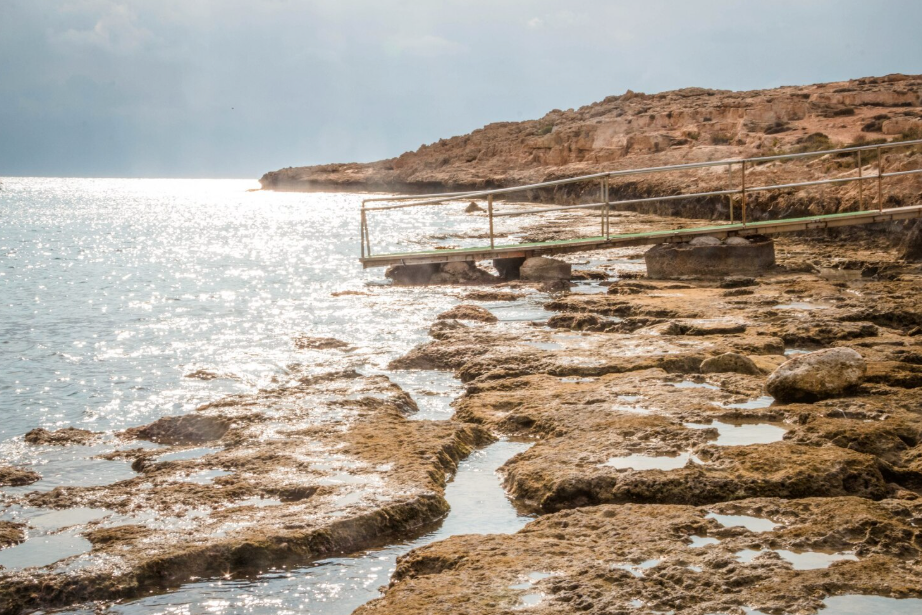
Coastal environments are always in motion, with waves, tides, currents, and seasonal storms constantly reshaping the shoreline. While this is a natural process, it becomes a serious issue when it begins to threaten properties, infrastructure, and coastal developments. What may seem like gradual change can quickly turn into significant land loss if left unaddressed, which is why seawall construction plays a critical role in protecting vulnerable coastlines. As a trusted choice for seawall construction Miami and seawall construction Florida projects, durable shoreline protection helps preserve both land and long-term property value in changing coastal areas.
Erosion does not happen overnight, but it also never stops. Over time, even minor wave action can weaken the shoreline and create instability. This is why long term coastal protection solutions are essential. Seawalls serve as a frontline defense, but their effectiveness depends entirely on how well they are planned and built. Property owners searching for seawall construction near me often prioritize long-lasting structures that can withstand years of coastal exposure.
Key Elements of Durable Seawall Design
A seawall that lasts for decades begins with proper design. Every coastline has unique characteristics, and understanding these conditions is critical before any construction begins. A well designed seawall not only resists wave impact but also reduces the pressure exerted on the structure over time. Leading teams recognized as a top seawall construction company focus heavily on detailed planning to ensure reliable long-term performance.
- Detailed site evaluation including wave force and tidal patterns
- Soil testing to ensure a stable and secure foundation
- Structural design that disperses wave energy instead of simply blocking it
- Alignment and height planning based on long term coastal behavior
- Consideration of drainage to prevent water buildup behind the wall
These design elements work together to create a seawall that is both strong and efficient. Instead of fighting against nature, the structure is designed to manage and adapt to it, which significantly improves its lifespan.
Choosing Materials That Withstand Marine Conditions
The materials used in seawall construction play a major role in determining how long the structure will last. Coastal environments are harsh, especially due to constant exposure to saltwater, moisture, and temperature changes. Using the right materials ensures that the seawall can resist these conditions without deteriorating quickly.
- Marine grade concrete that resists cracking and surface damage
- Reinforced steel that is treated to prevent corrosion
- Protective coatings that extend durability in saltwater environments
- High quality joints and connections that prevent structural weakness
- Materials selected based on long term performance rather than short term cost
Investing in durable materials reduces the need for frequent maintenance and ensures that the seawall maintains its strength for many years. Many property owners looking for the best seawall construction company choose contractors that focus on premium materials and proven coastal engineering methods.
Construction Expertise That Delivers Reliable Results
Even the best design and materials cannot guarantee success without proper construction. Building a seawall requires technical knowledge, precision, and experience in handling marine conditions. Small errors during construction can lead to long term issues such as shifting, cracking, or reduced stability.
Our approach focuses on careful execution at every stage of the process. From preparing the foundation to placing reinforcements and pouring concrete, each step is handled with attention to detail. We also consider environmental challenges such as water levels, weather conditions, and shoreline access limitations.
By combining engineering expertise with practical marine construction experience, we ensure that every seawall we build is strong, stable, and ready to perform under constant pressure. This commitment to quality is what clients expect from the best seawall construction company in Miami.
Maintenance and Long Term Performance
A seawall is designed to last, but it still requires ongoing care to maintain its effectiveness. Over time, exposure to waves and environmental conditions can cause minor wear that should not be ignored. Regular inspections help identify these issues early and prevent them from developing into costly problems.
Maintenance involves checking for surface cracks, monitoring the base for erosion, and ensuring that drainage systems remain functional. Addressing small concerns at the right time helps extend the life of the seawall and keeps it performing as intended. A well maintained seawall continues to provide reliable protection year after year.
Building for Future Coastal Challenges
Coastal conditions are not static. Rising sea levels and stronger storms are becoming more common, which means seawalls must be built with the future in mind. Designing for current conditions alone is not enough.
We focus on creating seawalls that can adapt to changing environments. This includes considering future water levels, increasing wave intensity, and long term shoreline changes. A forward thinking approach ensures that the structure remains effective even as conditions evolve. Experienced seawall construction South Florida professionals understand the importance of planning for future coastal demands instead of only current conditions.
Conclusion
Building a seawall that lasts for decades requires a complete and thoughtful approach. It starts with understanding the shoreline and continues through design, material selection, and expert construction. When each of these elements is handled with care, the result is a seawall that not only protects but also stands strong against constant coastal forces. Whether searching for seawall construction near me or working with a top seawall construction company, investing in quality construction today helps secure coastal properties for the future.