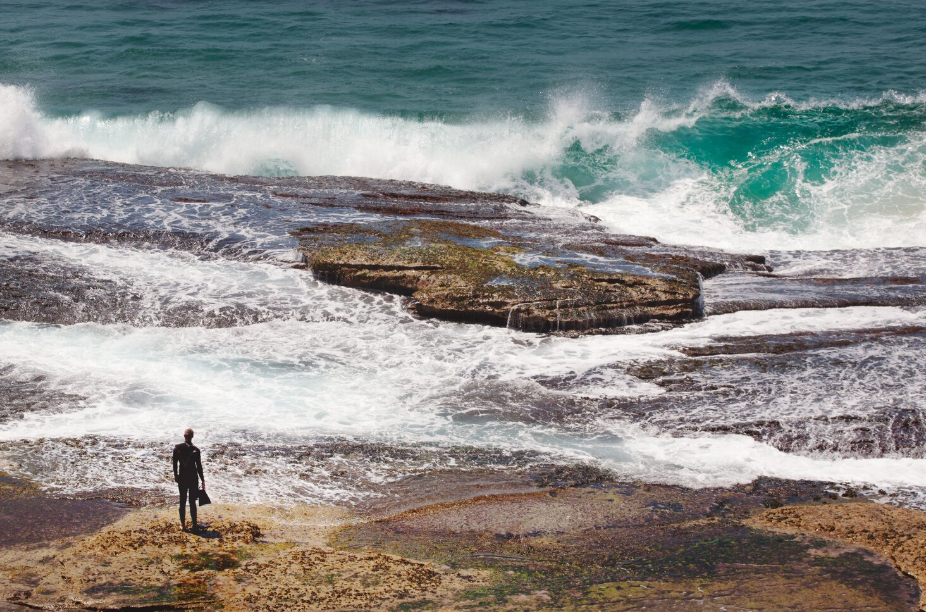
Coastal areas experience constant wave action every day, from gentle tidal movement to intense storm surges that place enormous pressure on the shoreline. As highlighted in What Seawall Cracks Reveal About Structural Weakness Along the Waterfront, even small structural issues can become serious problems when seawalls are exposed to continuous marine stress over time. Without strong coastal protection, erosion can quickly damage waterfront land, weaken nearby structures, and reduce long-term shoreline stability.
For many property owners searching for seawall construction near me, durability and long-lasting protection are top priorities. Modern seawall systems must do more than simply block water. They need to absorb wave energy, reduce pressure, and remain structurally stable through changing coastal conditions.
Understanding How Wave Pressure Impacts Seawalls
Wave pressure is constantly changing based on weather patterns, tides, water depth, and shoreline geography. During storms, waves strike coastal structures with significantly greater force, creating repeated stress on both the surface and foundation of the seawall. Over time, this pressure can lead to cracks, shifting sections, and structural fatigue if the wall is not properly engineered.
This is one reason why experienced professionals involved in seawall construction Miami projects focus heavily on wave behavior and long-term coastal performance. A properly designed seawall must account for both the direct impact of incoming waves and the suction forces created as water pulls away from the structure.
Smart Design Strategies for Long-Term Strength
Effective seawall systems are designed to manage and redirect wave energy instead of absorbing every impact directly. This reduces stress on the structure and improves long-term durability under harsh marine conditions.
Common design strategies include:
- Curved or angled wall surfaces that deflect wave energy
- Stepped designs that break incoming wave force
- Deep foundations for increased shoreline stability
- Proper wall height for storm surge protection
- Drainage systems that reduce trapped water pressure
These advanced techniques are commonly used in seawall construction South Florida projects where coastal conditions can change rapidly throughout the year. By distributing wave energy more efficiently, seawalls maintain better structural performance and reduce the risk of long-term damage.
Choosing Durable Materials for Marine Environments
The success of any seawall depends heavily on the quality of materials used during construction. Marine environments expose structures to saltwater, moisture, strong currents, and temperature changes that can gradually weaken standard building materials.
High-performance seawall systems often include:
- Reinforced marine-grade concrete
- Corrosion-resistant steel reinforcements
- Interlocking structural components for added stability
- Protective coatings that reduce surface wear
- Durable finishes designed for long-term coastal exposure
Property owners looking for a top seawall construction company often prioritize contractors that use premium materials capable of withstanding decades of waterfront pressure.
Precision Construction Matters Along the Waterfront
Even the best design requires precise construction methods to ensure lasting performance. Coastal construction projects demand specialized knowledge, accurate foundation preparation, and careful installation techniques. Small construction errors can eventually lead to major structural weaknesses when exposed to years of wave impact.
Companies recognized as the best seawall construction company understand how critical proper installation is for long-term shoreline protection. Every waterfront location presents unique challenges related to soil conditions, water levels, and environmental exposure. Addressing these factors during construction helps create a seawall that performs efficiently under constant pressure.
For many waterfront property owners, choosing the best seawall construction company in Miami means working with experienced marine construction professionals who understand the demands of Florida’s coastal environment.
Designing Seawalls for Future Coastal Conditions
Modern seawalls must also be built with future environmental changes in mind. Rising sea levels, stronger storms, and increasing coastal erosion are creating new challenges for waterfront infrastructure. Seawalls designed today should remain capable of protecting shorelines for decades into the future.
Adaptable engineering methods, stronger materials, and advanced wave-resistant designs help improve long-term performance while reducing the need for major structural modifications later.
Conclusion
Designing seawalls that can resist continuous wave pressure requires far more than basic coastal construction. Long-term shoreline protection depends on proper engineering, durable materials, smart energy-reducing designs, and precision installation methods. As coastal conditions continue to evolve, investing in high-quality marine construction remains essential for protecting waterfront properties and preserving shoreline stability for years to come.