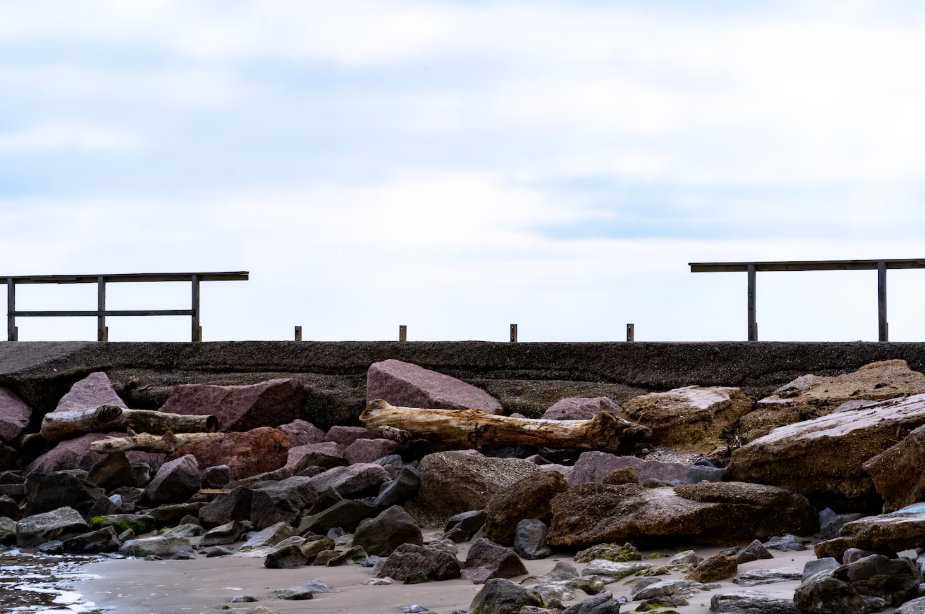
Seawalls are built to handle constant pressure from waves, tides, and changing coastal conditions. Over time, this pressure begins to show on the surface. What starts as a small crack may seem harmless, but it often signals deeper structural stress. Ignoring these early signs can allow damage to spread, making repairs more complex and costly.
Cracks are not just surface level flaws. They are indicators that the seawall is losing its ability to perform as intended. Water can seep through these openings, weakening the internal structure and accelerating deterioration. Acting early is the key to preventing minor issues from turning into major failures.
Common Warning Signs That Demand Immediate Attention
Seawalls rarely fail without warning. In most cases, visible and physical changes appear long before serious damage occurs. Recognizing these signs helps property owners take timely action and avoid unexpected structural breakdowns.
- Visible cracks that grow wider or longer over time
- Bulging or leaning sections along the wall surface
- Soil erosion or sinkholes forming behind the seawall
- Water seeping through joints or cracks during high tide
- Uneven surfaces or shifting sections of the structure
These warning signs indicate that the seawall is under stress and may no longer be providing full protection. Addressing them early helps reduce the risk of complete structural failure.
What Causes Seawall Damage Over Time
Understanding why seawalls develop cracks and weaknesses is essential for effective repair. Coastal structures face constant exposure to natural forces that gradually wear them down. While seawalls are designed for durability, no structure is immune to long term environmental impact.
- Continuous wave impact that weakens the outer surface
- Saltwater exposure leading to corrosion of internal reinforcements
- Poor drainage causing pressure buildup behind the wall
- Shifting soil that affects the foundation stability
- Aging materials that lose strength over time
These factors often work together, gradually reducing the strength of the seawall. Without proper attention, the damage becomes more severe and harder to repair.
Professional Repair Restores Strength and Stability
When cracks begin to appear, professional repair is essential to restore the seawall’s performance. Quick fixes or surface patching may temporarily hide the issue, but they do not address the underlying problem. A proper repair approach focuses on strengthening the structure from within.
Our repair process begins with a detailed inspection to identify the root cause of the damage. Once the issue is understood, we apply targeted repair methods that reinforce weak areas and prevent further deterioration. This may include sealing cracks, stabilizing the foundation, and improving drainage systems.
By addressing both the visible damage and the hidden causes, we ensure that the seawall regains its strength and continues to provide reliable protection.
Preventing Further Damage Through Timely Action
Delaying repairs often leads to more serious consequences. As cracks expand, water penetration increases, which can accelerate internal damage. Over time, this can result in sections of the seawall failing completely, putting nearby property at risk.
Timely intervention helps maintain the integrity of the structure and avoids costly reconstruction. Regular inspections and proactive repairs allow small issues to be resolved before they grow into larger problems. This approach not only extends the life of the seawall but also ensures consistent coastal protection.
Long Term Performance Through Maintenance and Monitoring
Once repairs are completed, ongoing maintenance plays a crucial role in preserving the seawall. Regular monitoring helps detect early signs of wear and ensures that the structure remains in good condition. Maintenance includes checking repaired areas, observing any new cracks, and ensuring proper drainage behind the wall. Consistent care helps maintain the effectiveness of previous repairs and prevents recurring damage. A well maintained seawall continues to perform efficiently, even under constant environmental stress.
Conclusion
Cracks in a seawall are more than just visible damage. They are early warnings that the structure needs attention. Responding quickly to these signs helps protect both the seawall and the surrounding property. With proper repair and ongoing care, a damaged seawall can regain its strength and continue to serve as a dependable barrier against coastal forces.